To grow, the web needed something messier, louder, and far harder to control: people.
We take it for granted today, but the internet is one of the most impactful inventions of modern times — possibly even of all time. But how did it all start? The story of the internet is a fascinating journey through the minds of visionary thinkers and relentless innovators, many of them coming from mathematics and computer science. In this 12-part series, we dive into some of the stories and contributions of the trailblazers who laid the foundations for the interconnected world we live in today.
For all its early promise, the first web was mostly a reading machine. You clicked on something and consumed information, and then moved to the next one. You were like a visitor in someone else’s museum. In order for the internet to truly take shape, that needed to change.
In part 10 of this series, Andrei Mihai looks at how HTML, cookies, blogging, Wikipedia, and more shaped the internet into a more user-focused, Web 2.0. experience, with content no longer being generated by only the most tech-savvy individuals.
To find out more head over to the HLFF Blog: The Internet Chronicles – Part 10 of 12: User-Created Content
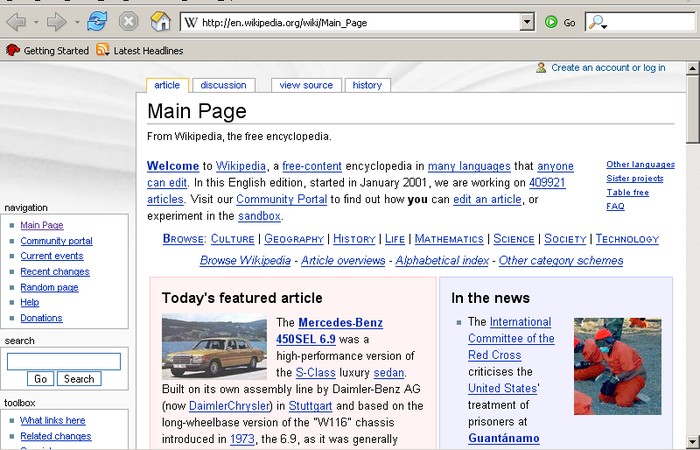
Image caption: An older main page of Wikipedia seen on a Mozilla browser. Image via Wikipedia (public domain).